
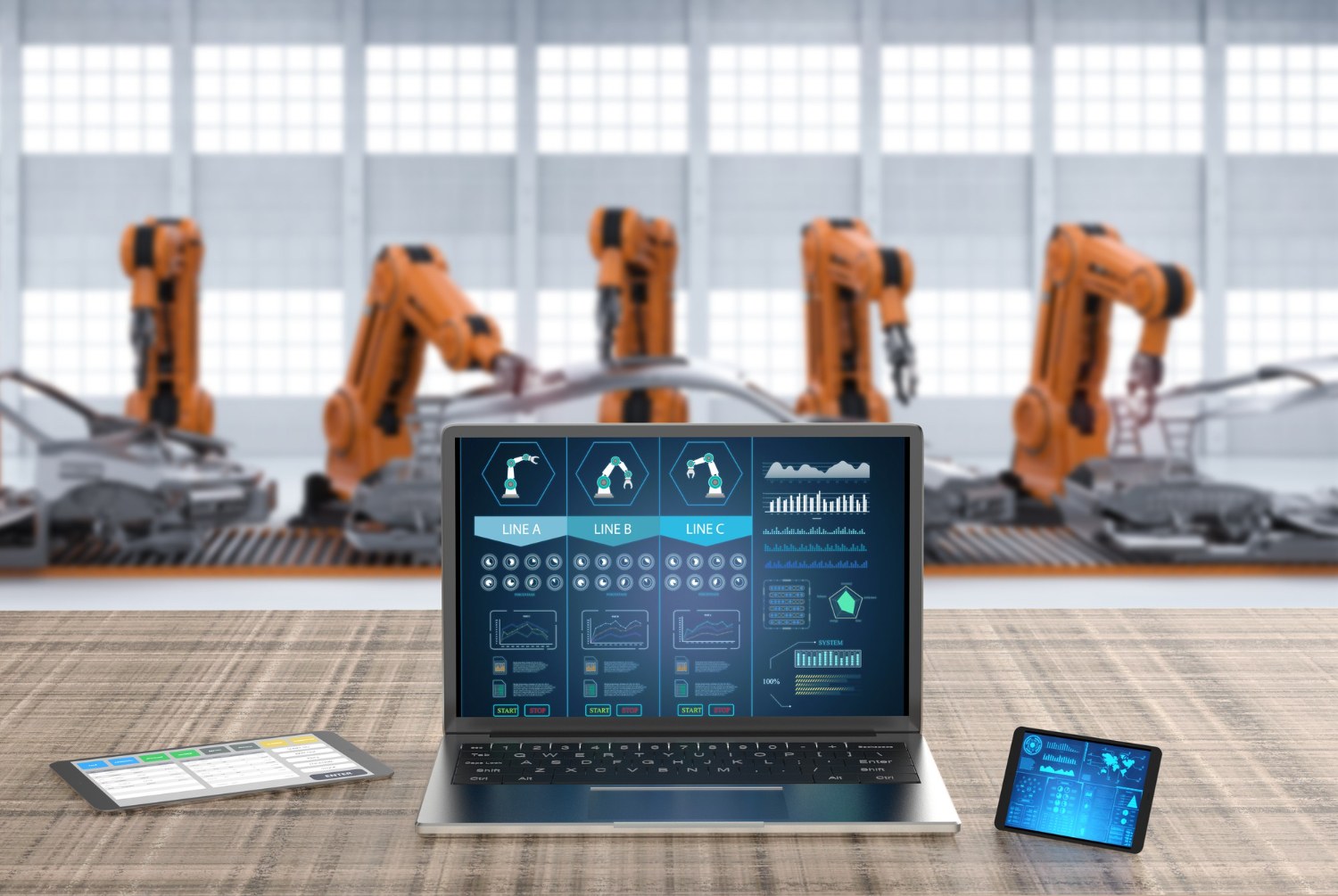

The automotive industry is undergoing one of the most significant transformations in its history. From electric vehicles to intelligent manufacturing systems, technology is no longer a supporting function—it is the driving force behind innovation, efficiency, and customer experience. Automakers, suppliers, and mobility providers that strategically adopt modern technologies are not only improving performance but also reshaping how vehicles are designed, produced, sold, and serviced.
Based on ongoing industry trends and practical implementation across manufacturers and Tier-1 suppliers, the companies seeing the strongest growth are those integrating digital systems across their entire value chain—not just in isolated departments.
The Rise of Smart Manufacturing
Modern automotive production has evolved far beyond traditional assembly lines. Smart factories now use:
- IoT-enabled sensors to monitor equipment health in real time
- AI-powered predictive maintenance to reduce downtime
- Robotics and cobots for precision and safety
- Digital twins to simulate production scenarios
Manufacturers that implement predictive maintenance often reduce unexpected downtime significantly and improve overall equipment efficiency. Real-time data allows plant managers to identify bottlenecks, forecast failures, and optimize throughput.
Why It Matters
Reduced downtime means:
- Faster production cycles
- Lower operational costs
- Higher product consistency
- Improved safety standards
Technology here directly impacts profitability.
Electric and Connected Vehicles
The shift toward electric mobility has accelerated innovation across powertrain design, battery management systems, and charging infrastructure. At the same time, connected vehicle technology is redefining the driving experience.
Modern vehicles now integrate:
- Over-the-air (OTA) software updates
- Advanced driver-assistance systems (ADAS)
- Real-time diagnostics
- Vehicle-to-everything (V2X) communication
Software has become as critical as mechanical engineering. Automakers increasingly rely on specialized it solutions for automotive industry to manage firmware updates, cybersecurity, telematics, and remote vehicle monitoring.
Impact on Consumers
Technology enables:
- Improved vehicle safety
- Enhanced fuel or energy efficiency
- Seamless infotainment experiences
- Predictive maintenance alerts
Customers expect vehicles to function more like smart devices, and manufacturers must meet that expectation.
Data-Driven Decision Making
Automotive companies generate enormous amounts of data—from manufacturing systems, supply chains, dealerships, and connected vehicles. When properly analyzed, this data becomes a competitive advantage.
Key Applications of Data Analytics
- Demand forecasting
- Inventory optimization
- Quality control analysis
- Customer behavior insights
- Warranty cost reduction
For example, analyzing warranty claims data can help identify recurring component issues before they escalate into costly recalls. Similarly, dealership data can guide production planning to better match real-world demand.
Companies that embed analytics into decision-making processes typically respond faster to market shifts and reduce waste.
Enhancing the Customer Journey
Technology is not only transforming production—it is reshaping the buying and ownership experience.
Digital Retail & After-Sales Innovations
- Online vehicle configuration and virtual showrooms
- AI chatbots for customer support
- CRM platforms for personalized engagement
- Predictive service scheduling
Customers now expect transparent pricing, digital documentation, and real-time service updates. Integrated CRM and ERP systems allow automotive businesses to deliver a seamless experience from inquiry to after-sales service.
This digital-first approach improves brand loyalty and repeat sales.
Strengthening Supply Chain Resilience
Global supply chain disruptions have highlighted the need for greater visibility and agility. Advanced technologies help mitigate risk through:
- Real-time supplier monitoring
- Blockchain for parts traceability
- AI-driven demand planning
- Automated procurement systems
Digital supply networks allow manufacturers to respond quickly to shortages and reallocate resources efficiently. Greater transparency also reduces compliance risks and enhances sustainability tracking.
Cybersecurity and Compliance
As vehicles become more connected, cybersecurity becomes critical. Modern automotive ecosystems include software platforms, mobile apps, cloud infrastructure, and vehicle operating systems.
Key focus areas include:
- Secure OTA update mechanisms
- End-to-end encryption
- Compliance with evolving safety standards
- Continuous vulnerability testing
Companies investing in robust cybersecurity frameworks protect both customer trust and brand reputation.
The Road Ahead: Integration Is Key
Technology alone does not guarantee success. The real impact comes from strategic integration across departments—engineering, manufacturing, sales, and service.
Practical Next Steps for Automotive Businesses
- Conduct a digital maturity assessment.
- Prioritize high-impact automation areas.
- Invest in scalable data infrastructure.
- Strengthen cybersecurity from the ground up.
- Partner with experienced technology providers.
Organizations that approach transformation holistically rather than adopting isolated tools tend to achieve stronger, long-term returns.
Conclusion
Technology is fundamentally redefining how the automotive industry operates. From intelligent factories and connected vehicles to data-driven insights and digital customer journeys, innovation is shaping a more efficient, safe, and customer-centric future.
Businesses that embrace integrated digital transformation will lead the next era of mobility—delivering smarter vehicles, streamlined operations, and stronger customer relationships.
The future of automotive belongs to those who combine engineering excellence with intelligent technology strategy.
