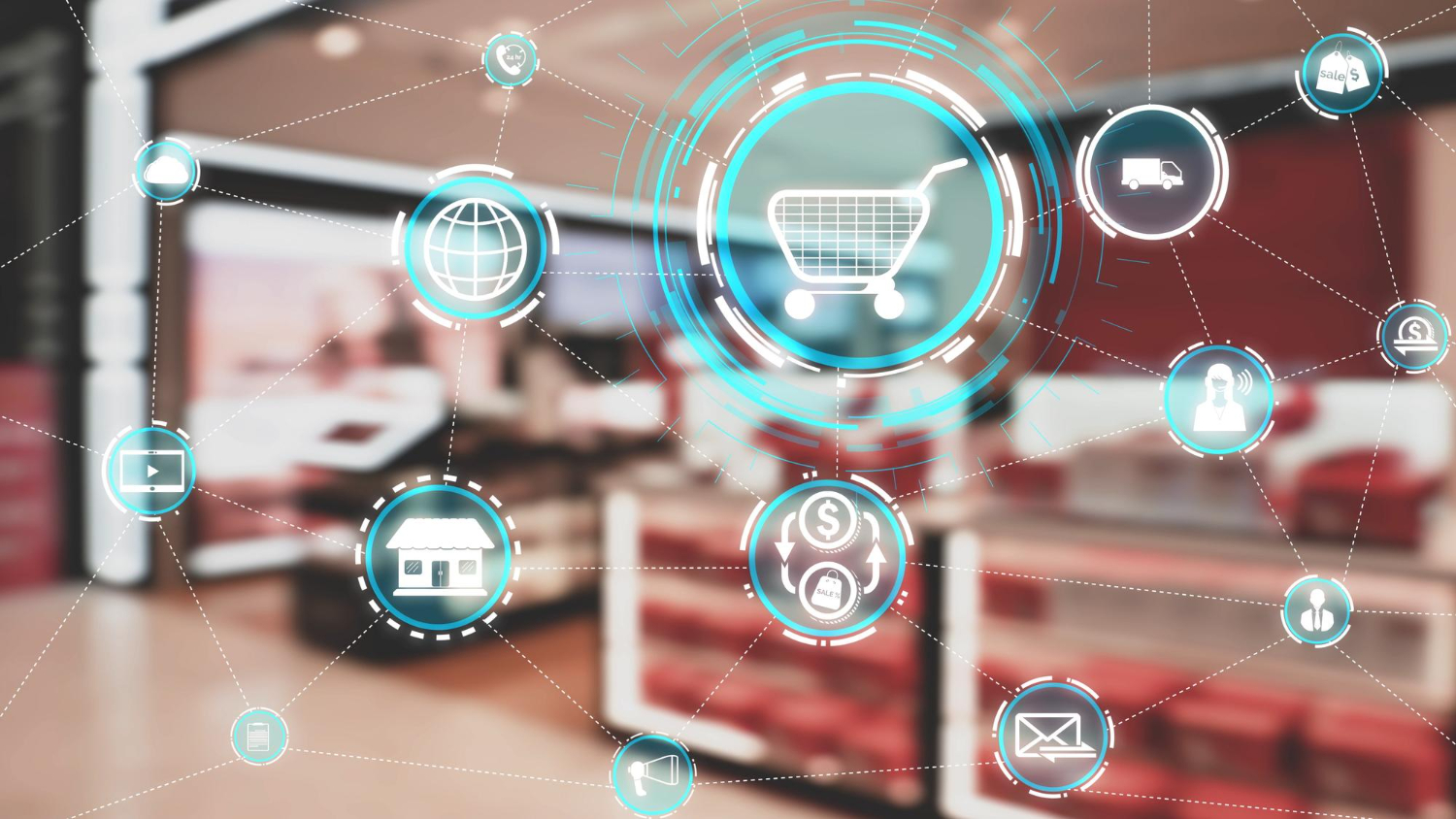

Retail has transformed dramatically in the last decade. Customers expect seamless shopping—whether online, in-store, or through mobile apps. Behind every smooth transaction, fast checkout, or personalized offer is a strong IT backbone. Retail IT is no longer a support function; it is a core driver of growth, efficiency, and customer satisfaction.
From inventory management to data security and omnichannel integration, retail technology plays a critical role in helping businesses stay competitive and profitable.
What Is Retail IT?
Retail IT refers to the technology systems, software, and infrastructure that support retail operations. These systems manage sales, inventory, customer data, payments, supply chains, and digital storefronts.
Common retail IT components include:
- Point-of-Sale (POS) systems
- Inventory and warehouse management software
- Customer Relationship Management (CRM) platforms
- E-commerce platforms
- Payment gateways
- Data analytics tools
- Cybersecurity systems
When these systems work together effectively, retailers can operate more efficiently and deliver better customer experiences.
Why Retail IT Is Essential for Operational Efficiency
Efficiency directly impacts profitability. Manual processes increase errors, waste time, and limit scalability. Retail IT automates repetitive tasks and provides real-time visibility into operations.
Inventory Accuracy and Control
One of the most common challenges retailers face is stock mismanagement. Modern IT systems provide:
- Real-time inventory tracking
- Automated stock alerts
- Demand forecasting
- Reduced overstock and stockouts
With accurate data, retailers can optimize inventory levels and reduce carrying costs.
Faster and Smarter Checkout
Advanced POS systems reduce wait times and improve transaction accuracy. Features such as:
- Barcode scanning
- Contactless payments
- Integrated loyalty programs
- Digital receipts
help create a smooth checkout experience that encourages repeat purchases.
Better Supply Chain Coordination
Retail IT integrates suppliers, warehouses, and stores into one connected system. This enables:
- Automated reordering
- Shipment tracking
- Data-driven procurement decisions
Improved coordination reduces delays and improves product availability.
How Retail IT Enhances Customer Experience
Today’s customers expect convenience, personalization, and speed. Retail IT enables businesses to meet these expectations.
Personalized Shopping Experiences
Data analytics tools analyze purchasing behavior and preferences. Retailers can use this information to:
- Recommend relevant products
- Send targeted promotions
- Offer personalized discounts
- Improve loyalty programs
Personalization increases engagement and boosts conversion rates.
Omnichannel Integration
Customers often browse online and purchase in-store—or vice versa. Retail IT connects all sales channels into one ecosystem.
Key benefits include:
- Unified customer profiles
- Click-and-collect services
- Real-time stock visibility across channels
- Consistent pricing and promotions
This seamless experience builds trust and brand loyalty.
The Role of Data and Analytics in Retail IT
Retailers generate massive amounts of data daily. When used correctly, this data becomes a strategic asset.
Retail analytics can help:
- Identify top-performing products
- Predict seasonal demand
- Detect slow-moving inventory
- Improve pricing strategies
In my experience working with retail businesses, companies that actively use data analytics often see measurable improvements in revenue and operational efficiency within months. Data-driven decisions reduce guesswork and increase confidence in strategic planning.
Cybersecurity: Protecting Customer Trust
Retail businesses handle sensitive information, including payment details and personal data. A single security breach can damage reputation and lead to financial loss.
Retail IT must include:
- Secure payment processing
- Encrypted databases
- Regular security audits
- Access control systems
- Real-time threat monitoring
Strong cybersecurity practices protect both the business and its customers.
Choosing the Right IT Approach for Retail Success
Retailers must invest in scalable and integrated systems rather than isolated tools. Many businesses now rely on it solutions for retail industry that combine POS, CRM, analytics, and supply chain management into a unified platform.
When selecting retail IT systems, consider:
- Scalability for future growth
- Integration with existing tools
- User-friendly interfaces
- Reliable technical support
- Data security compliance
A well-planned IT strategy ensures long-term efficiency and customer satisfaction.
Future Trends in Retail IT
Retail IT continues to evolve. Emerging trends include:
- AI-powered demand forecasting
- Smart shelves and IoT sensors
- Mobile self-checkout
- Augmented reality shopping
- Automated warehouses
Retailers that adopt innovative technology early often gain a competitive advantage and improve customer retention.
Conclusion
Retail IT is not just about technology—it is about building a smarter, faster, and more customer-focused business. Efficient inventory systems reduce costs, integrated platforms improve operations, and data-driven insights enhance customer experience.
Retailers that prioritize technology investment position themselves for sustainable growth in a competitive market. The key is to choose scalable systems, leverage data effectively, and continuously adapt to changing customer expectations.
If you’re evaluating your current retail operations, start by assessing where inefficiencies exist and identify technology upgrades that can deliver measurable improvements. Small, strategic IT improvements today can lead to significant long-term success.
