
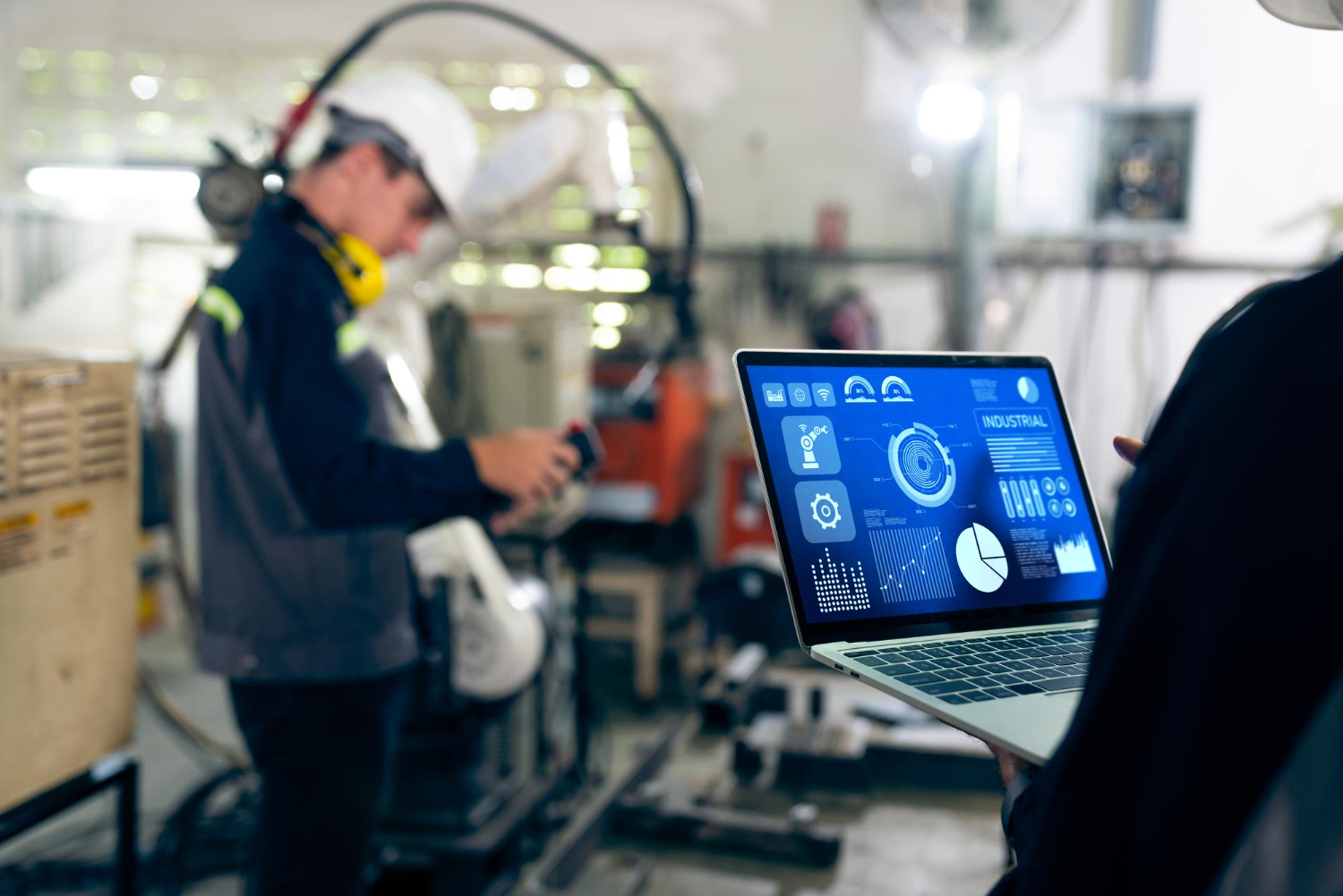

Unplanned downtime is one of the most expensive problems in manufacturing. A single hour of halted production can mean missed deadlines, wasted materials, idle labor, and dissatisfied customers. As production environments grow more complex—with connected machines, automated workflows, and global supply chains—managing operations manually is no longer practical.
Modern manufacturers are turning to digital systems that provide real-time visibility, predictive insights, and process automation. When implemented correctly, these technologies do more than prevent breakdowns—they create smarter, faster, and more resilient production environments.
Why Downtime Happens in Manufacturing
Before exploring solutions, it’s important to understand the common causes of downtime:
- Equipment failure due to poor maintenance
- Human error and inconsistent processes
- Lack of real-time production visibility
- Inventory shortages or supply chain delays
- Poor coordination between departments
Industry research from organizations such as the International Society of Automation (ISA) consistently highlights maintenance-related failures and communication gaps as primary contributors to production stoppages. These issues are preventable with the right digital infrastructure.
The Role of Modern IT Systems in Manufacturing
Digital transformation in manufacturing is no longer optional. IT solutions for manufacturing integrate machines, data, and teams into a unified system that improves efficiency and reduces operational risk.
These systems typically include:
- ERP (Enterprise Resource Planning)
- MES (Manufacturing Execution Systems)
- Predictive maintenance software
- IoT-enabled machine monitoring
- Cloud-based analytics dashboards
When these tools work together, they create a connected production ecosystem.
Real-Time Monitoring Prevents Unexpected Failures
How It Works
IoT sensors and machine monitoring systems track temperature, vibration, cycle time, and output performance in real time. If anomalies appear, alerts are triggered immediately.
Impact on Downtime
- Early detection of wear and tear
- Immediate response to abnormal behavior
- Reduced catastrophic breakdowns
Instead of reacting after failure, manufacturers can act proactively.
Predictive Maintenance Reduces Equipment Breakdown
Traditional maintenance follows fixed schedules. Predictive maintenance uses data analytics and machine learning to determine when a machine actually needs servicing.
Benefits:
- Maintenance only when required
- Lower maintenance costs
- Extended equipment lifespan
- Reduced unplanned shutdowns
According to multiple industrial studies, predictive maintenance can reduce downtime by up to 30–50% compared to reactive approaches.
Improved Production Planning and Scheduling
Disconnected systems often lead to overproduction, bottlenecks, or idle machinery. Integrated ERP and MES platforms provide visibility across:
- Inventory levels
- Work-in-progress
- Workforce availability
- Machine capacity
With centralized dashboards, production managers can:
- Adjust schedules instantly
- Reallocate resources efficiently
- Avoid supply shortages
This eliminates guesswork and increases output consistency.
Automation Reduces Human Error
Manual data entry and paper-based workflows create delays and mistakes. Digital systems automate:
- Work order generation
- Quality checks
- Inventory updates
- Compliance reporting
Automation leads to:
- Faster task execution
- Standardized processes
- Fewer costly errors
When repetitive tasks are automated, teams can focus on higher-value activities.
Data-Driven Decision Making Boosts Productivity
Without accurate data, decisions rely on assumptions. Advanced analytics tools convert production data into actionable insights:
- Identify bottlenecks
- Compare shift performance
- Analyze downtime patterns
- Optimize production cycles
With reliable metrics, managers can continuously refine operations and improve overall equipment effectiveness (OEE).
Enhanced Collaboration Across Departments
Manufacturing often involves multiple departments—production, maintenance, procurement, quality control. When systems operate in silos, communication delays occur.
Integrated IT systems:
- Share real-time updates across teams
- Centralize documentation
- Enable faster issue resolution
Improved coordination directly reduces production delays.
What to Consider Before Implementation
Not every solution fits every facility. Before investing, manufacturers should:
- Audit current downtime causes
- Define measurable productivity goals
- Ensure system compatibility with existing machinery
- Train staff for digital adoption
- Choose scalable solutions
Successful implementation depends as much on people and processes as on technology.
Conclusion
Reducing downtime is not just about fixing machines faster—it’s about preventing failure altogether. Modern IT systems provide visibility, predictive insights, automation, and coordination that traditional methods cannot match.
Manufacturers who adopt integrated digital tools experience:
- Fewer disruptions
- Higher output consistency
- Lower operational costs
- Better resource utilization
The next step is simple: assess your current operational gaps, identify the most frequent downtime triggers, and begin integrating systems that offer real-time monitoring and predictive capabilities. Over time, these improvements compound—transforming downtime from a recurring crisis into a manageable, data-driven process.
