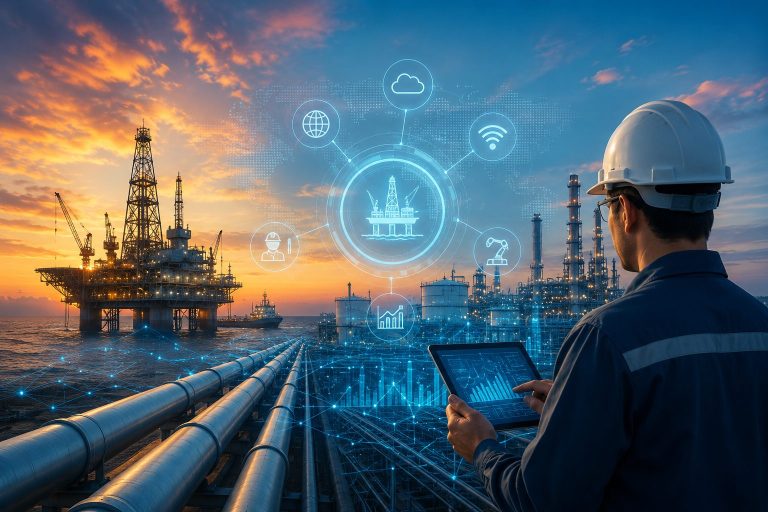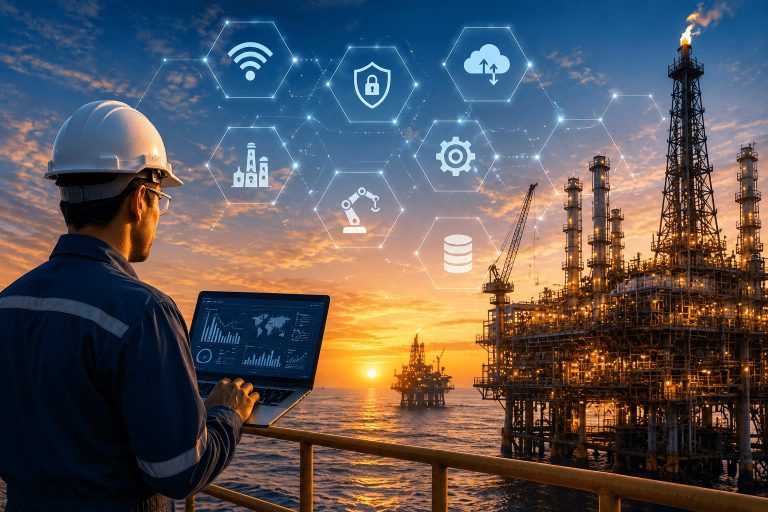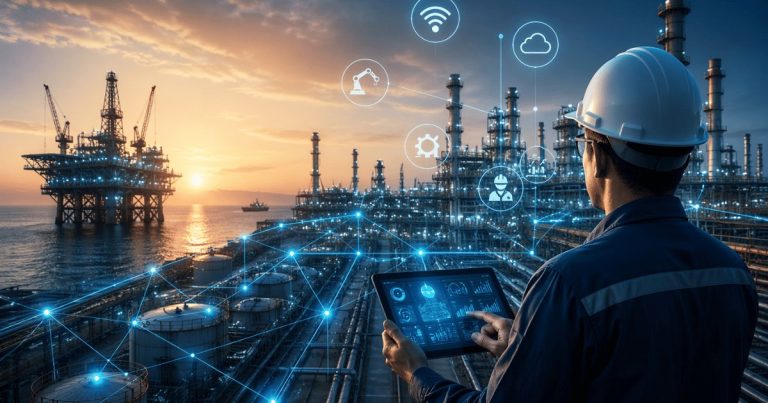
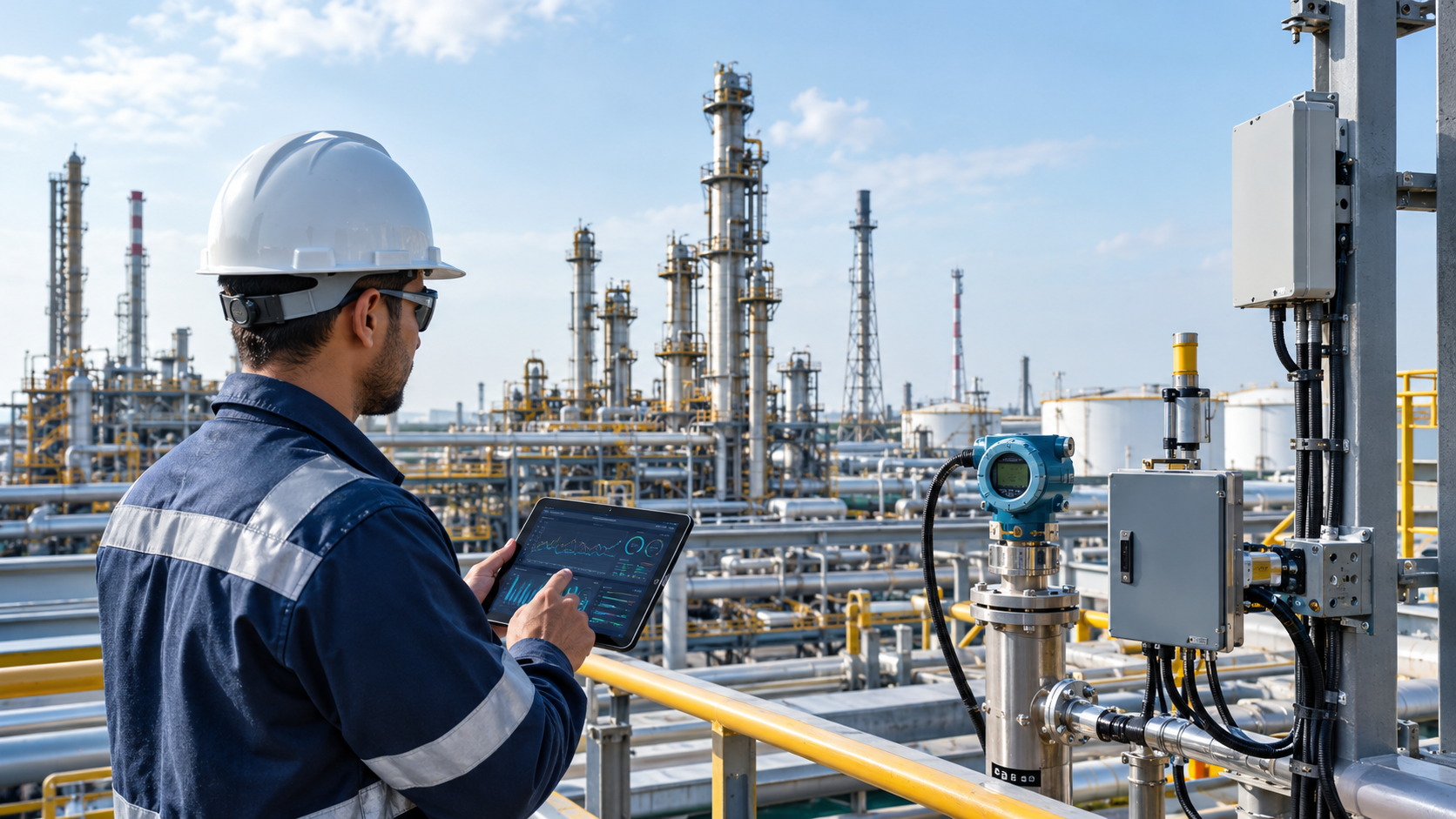

Oil and gas companies have a lot to monitor. They monitor drilling locations, pipelines that stretch for miles, and refineries that depend on systems that must perform correctly every day.
Without early detection, a small problem can turn into an expensive delay. With technology, teams can monitor operations, inspect equipment, and handle issues before they get out of hand.
Why Is Technology Important in the Oil and Gas Industry?
Managing multiple teams across different systems and locations can be tough. One team may keep equipment records, while another manages deliveries or maintenance.
Making this information available through a joined-up approach helps you better understand what is happening across the business. Automation can also handle repetitive tasks, but digital tools need to be flexible and integrate seamlessly with the company’s existing systems and processes.
What Technologies Are Changing Oil and Gas Operations?
Various technologies have various applications. Some monitor equipment, while others help engineers analyse drilling data or track shipments. It’s not about having the newest software available. It’s about finding tools that solve problems teams face regularly.
Internet of Things (IoT) and Real-Time Monitoring
Pipelines and other equipment need regular inspection to ensure they are working properly. IoT sensors can measure pressure, flow, and vibration, giving operators a more comprehensive view of what is happening. The system can notify the team to investigate if a reading looks unusual. This lets people respond faster, but physical inspection and safety checks are still needed.
Artificial Intelligence and Predictive Maintenance
Equipment usually doesn’t fail without warning, but sometimes the signs are hard to spot. AI can review past equipment failures, maintenance history, and readings to spot trends that may signal a problem. Maintenance teams can use this information to prioritise equipment for maintenance. The findings depend on data quality, so engineers still have to validate the results before deciding.
Remote Drilling Analytics
Drilling teams collect large amounts of data on well conditions, equipment, and drilling operations. Analytics tools gather this information, letting engineers monitor performance and spot unusual activity. This is especially useful in hard-to-reach locations, like offshore sites. Teams can access the data remotely and don’t need to go to the site to take a closer look.
Digital Supply Chain Management
It takes coordination to get equipment & materials to the right place at the right time. When a vehicle is delayed or a shipment goes missing, it can disrupt work at a drilling site or refinery. Digital supply chain tools help businesses monitor deliveries, track delivery status, and manage schedules. Everyone can see the same information, making delays easier to manage and helping teams move forward.
What Problems Can Technology Help Solve?
Some operational issues can’t be solved with new software, but the right tools can make some tasks easier. For oil and gas companies, this usually involves maintaining equipment properly, identifying safety issues, and getting information to the people who need it.
Equipment Downtime and Asset Integrity
Certain equipment will need repair when it breaks down, and workers may not be able to work until it is fixed. Teams can use asset integrity platforms to track equipment condition, corrosion, inspection dates, maintenance requirements, and more. These records help identify changes and plan repairs before they become problems.
Pipeline Safety and Operational Risk
If pipeline pressure or flow changes suddenly, teams should address it. Monitoring systems can detect unusual readings and alert operators to investigate. This helps teams react faster when something looks wrong. Monitoring technology will not prevent or detect all failures, so regular inspections and emergency procedures are key.
Fragmented Data and Supply Chain Delays
Different information systems can waste time as teams wait for updates or cross-verify information with other teams. By linking relevant operational and supply chain data, individuals can get a clearer picture of what is happening on the ground at various sites. It can also help them identify delays and coordinate activities more easily.
Conclusion
Technology has practical applications in the oil and gas business, including monitoring pipeline conditions, equipment, and deliveries. The true value comes when these tools help teams solve common issues without adding extra workload.
Harjai Technologies provides oil and gas IT solutions, including IoT pipeline monitoring, asset integrity platforms, remote drilling analytics, and supply chain visibility.
Contact Harjai Technologies to learn how they can help your business streamline these processes and discuss your needs.